
3 Common Blockages Found During Storm Drain Cleaning
Storm drains are crucial components of urban infrastructure, designed to channel rainwater away from streets and buildings, reducing flooding and water damage. Regular maintenance of these systems is essential to ensure they operate effectively, as blockages can lead to overspill and severe environmental and structural damage. Common blockages in storm drains include debris, sediment, tree roots, oil, grease, household waste, and structural damage. Understanding these blockages and their sources can help in devising effective strategies for maintenance and prevention. By addressing these issues proactively, cities can mitigate potential flooding and prolong the life of their drainage systems.
1. Accumulated Debris
1.1 Types of Debris
Accumulated debris in storm drains typically comprises organic materials such as leaves, twigs, and grass clippings. In urban areas, non-organic debris, including plastic bags, bottles, and other litter, can often be found. This debris can accumulate quickly, especially during fall when trees shed their leaves. The composition of debris can vary seasonally and geographically, depending on local vegetation and human activity. Addressing these types of debris is critical, as they can form significant blockages in storm drainage systems.
1.2 Sources of Debris
Natural and human-induced activities both contribute to debris accumulation in storm drains. Natural events like windstorms can blow loose debris into drains. Additionally, improper waste management and littering can lead to increased non-biodegradable materials entering the system. During construction and landscaping, loosened soil and plant materials may also inadvertently enter storm drains. Understanding these sources can help in developing strategies to minimize debris entry into these vital water channels.
1.3 Impact on Drainage
When debris accumulates in storm drains, it can obstruct water flow, leading to localized flooding and increased pressure on drainage infrastructure. This can exacerbate road damage and cause safety concerns for motorists and pedestrians. Additionally, stagnant water harbored by blockages becomes a breeding ground for mosquitoes and other pests. Over time, debris-induced blockages can also lead to more significant structural damages, necessitating costly repairs. Thus, regular debris removal is vital to maintain functional and efficient drainage systems.
1.4 Methods of Removal
Several methods exist for removing debris from storm drains, ranging from manual cleaning to advanced hydraulic flushing techniques. Manual methods involve physically removing debris using nets or hooks, while mechanical methods may involve suction equipment for deeper drains. For larger-scale operations, municipalities may deploy water jets to dislodge and flush debris downstream to larger collection areas. Routine inspections and timely interventions are essential methods for maintaining operational drains. Each removal method is selected based on the size, depth, and accessibility of the affected storm drain.
1.5 Preventative Measures
Preventative measures can significantly reduce debris buildup, ultimately decreasing maintenance needs and costs. Public education campaigns can raise awareness about proper waste disposal and the importance of keeping streets and gutters clear of litter. Cities can implement regular street sweeping programs to minimize debris entering storm drains. Additionally, installing grates or screens on storm drain inlets helps trap larger debris before it enters the system. Encouraging community involvement in clean-up efforts can cultivate a culture of care and help keep public spaces cleaner.
2. Sediment Buildup
2.1 Causes of Sedimentation
Sediment buildup occurs when soil particles and small debris settle in storm drains, particularly during heavy rainfall. Construction activities, deforestation, and land erosion are significant contributors to sedimentation. When earth is moved or disturbed, it can easily be washed away into drains. Moreover, changes in landscape or water flow patterns can exacerbate the problem. Understanding these causes helps in developing targeted sediment control measures.
2.2 Effects on Drain Efficiency
Excessive sediment in storm drains reduces their capacity to transport water, leading to inefficient drainage and increased flooding risk. Over time, sediment layers can harden, making removal more challenging and costly. This sedimentation also decreases the slope necessary for water flow, leading to slower drainage speeds. Inefficient drains result in water backflow, creating unhealthy environments and potential safety hazards. Consequently, maintaining clear drains is crucial for effective stormwater management.
2.3 Detection Methods
Detecting sediment buildup in storm drains can be achieved through routine inspections, employing techniques like CCTV cameras to assess drain condition. Visual checks of water flow during rainfall and analyzing drainage maps can also indicate potential sediment issues. Technological advancements assist in identifying sediment levels more accurately. Early detection allows for targeted cleaning before problems escalate. Proactive maintenance is essential for long-term drainage efficiency.
2.4 Cleaning Techniques
Various techniques are utilized to clean sediment buildup, including the use of specialized high-pressure water jets that break down hardened sediment. Mechanical vacuums can then extract the dislodged particles from the drain system. Additionally, manual intervention may be necessary to remove larger items trapped within sediment layers. The choice of cleaning technique depends on the extent of buildup and specific drain characteristics. A combination of techniques often yields the most effective results.
2.5 Long-term Solutions
Sustainable practices, such as implementing erosion control measures, can prevent sediment from entering storm drains. These measures may include planting vegetation to stabilize soil or installing silt screens at construction sites. Additionally, regular maintenance schedules should be adhered to, ensuring that small accumulations do not become larger problems over time. Technological innovations, such as predictive maintenance models, can help cities anticipate and mitigate potential sediment issues. Long-term strategies require collaboration between city planners, engineers, and the community.
3. Tree Roots Intrusion
3.1 How Roots Invade Drains
Tree roots are naturally drawn to moisture, which can lead them to infiltrate storm drains in search of water. The small openings and joints in older pipes provide access points for roots to enter and expand. Once inside, roots can grow extensively, causing blockages by entangling debris and restricting water flow. In some cases, roots can even cause structural damage to the drainage system. Understanding root behaviors is key to managing their intrusion effectively.
3.2 Significance of Root Caused Blockages
Root-induced blockages are significant because they can completely obstruct water flow, resulting in severe flooding during heavy rainfall. Such blockages often occur under city streets or private properties, where access is challenging and repair costs are high. Beyond blocking flow, the physical presence of roots can further compromise the structural integrity of drainage systems. Identifying and addressing root intrusions early is critical to preserving storm drain functionality. Effective management can mitigate these risks significantly.
3.3 Tools and Techniques for Removal
Removing roots from storm drains often involves specialized equipment like root saws or hydraulic root cutters, which slice through entangled roots. Chemical treatments can also be applied to suppress future growth after removal. In more severe cases, manual excavation may be necessary to access deeper root systems. Regular inspection and maintenance help ensure root issues are caught and addressed promptly. Tools and techniques have evolved to provide efficient solutions to root intrusions.
3.4 Impact on Drain Structure
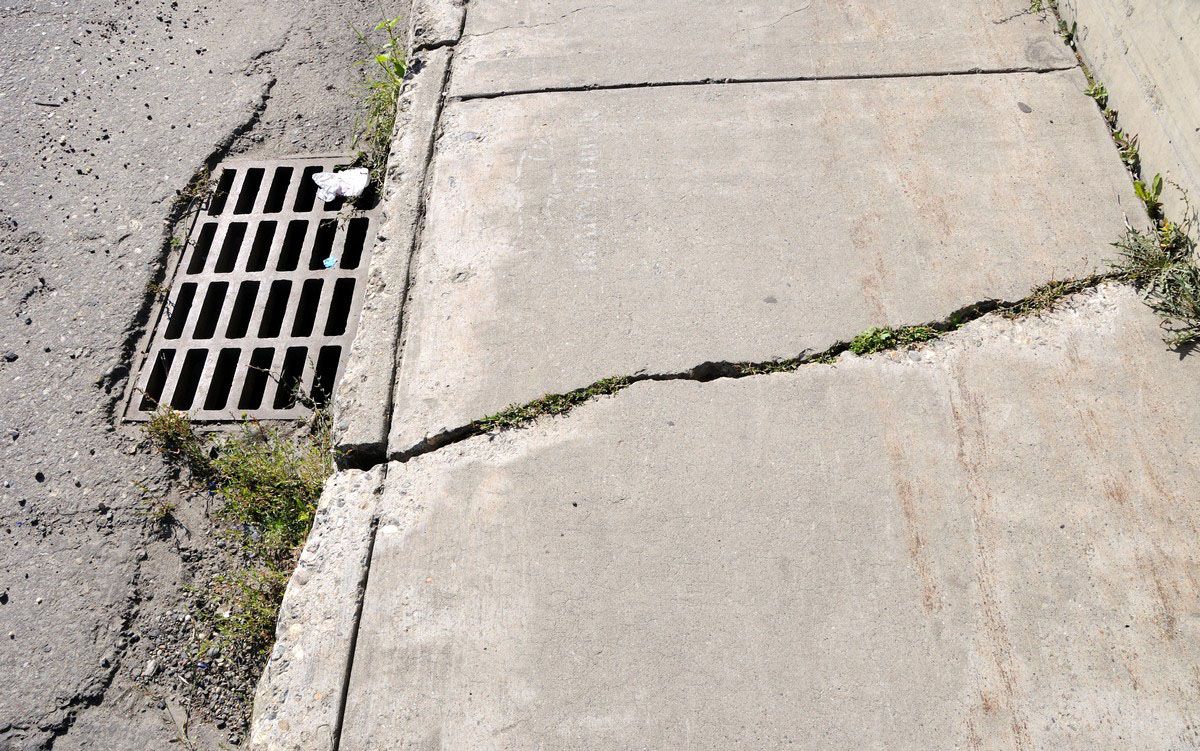
Roots can exert significant pressure on drain walls, leading to cracks, breaks, and eventual collapse if not managed. As roots expand, they can offset pipe joints, causing water leakage and erosion around the drainage structure. This can undermine the structural integrity of adjacent areas, posing a risk to infrastructure like roads and sidewalks. Such structural damage requires immediate attention to prevent broader systemic failures. Addressing root intrusion proactively can protect not only the drains but the surrounding environment.
In maintaining efficient and effective urban storm drain systems, addressing the six prominent blockages - accumulated debris, sediment buildup, tree roots intrusion, oil and grease accumulation, household waste, and structural damage - is critical. Regular maintenance and proactive management strategies mitigate the associated risks, thereby preserving infrastructure and promoting environmental and public health. According to HomeGuide, most exterior drains span 10' to 100' in length, measure about 6" in width, and slope down to a depth of 16" or more. Community involvement and education initiatives forge a collaborative effort in ensuring storm drains function optimally. By committing to ongoing care and innovation, cities can better prepare for future challenges, insulating against the impacts of severe weather and increased development. The collective efforts from municipalities and residents alike contribute to sustainable urban living and a legacy of reliable infrastructure. Be sure to reach out to Performance Plumbing Inc today to learn more about our professional storm drain cleaning!



Share On: