October 10, 2026
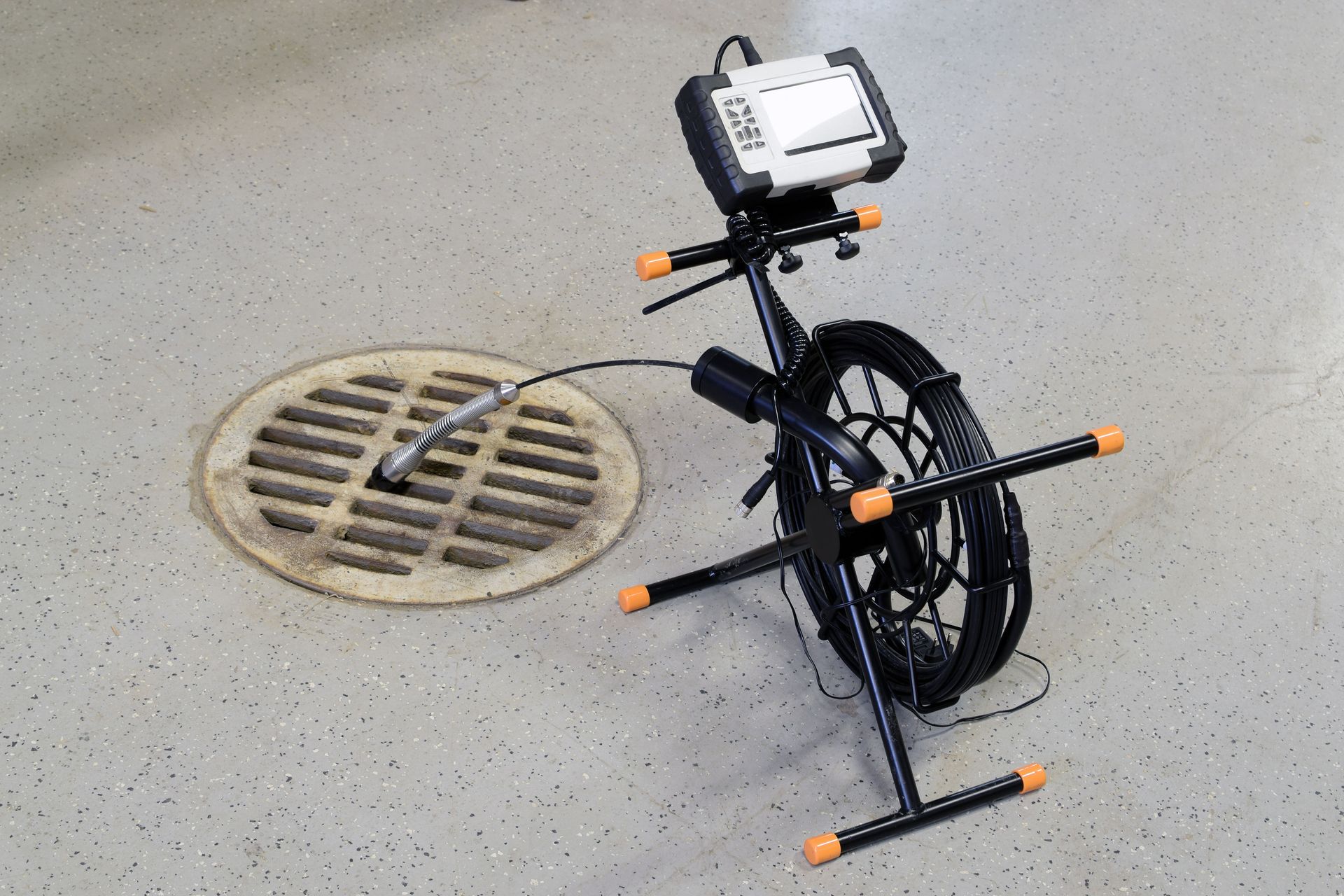
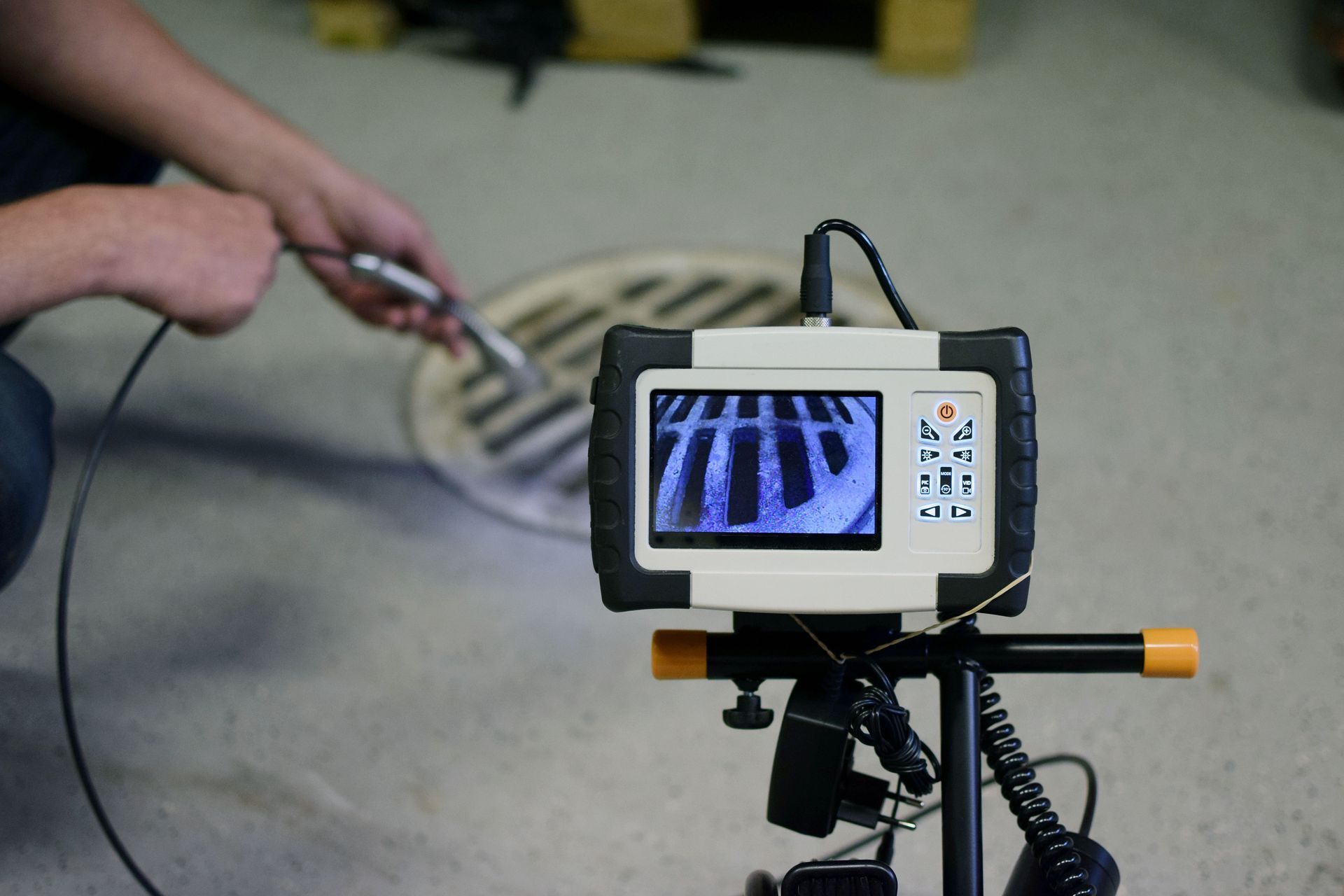
Sewer pipes play an essential role in moving wastewater away from homes and commercial properties, but much of the plumbing system remains hidden underground or behind structural surfaces. Because these pipes are out of sight, developing problems can go unnoticed until they cause slow drains, recurring backups, unpleasant odors, or property damage. Traditional troubleshooting methods may identify symptoms without revealing the exact location or cause of the underlying issue. A CCTV sewer inspection provides plumbers with a visual view inside drain and sewer lines using a specialized camera attached to a flexible cable or inspection equipment. This technology allows professionals to examine pipe interiors without immediately digging up the yard or opening walls. By identifying blockages, cracks, root intrusion, and other defects, plumbers can make more informed decisions about repairs.
Identifying Blockages Before They Cause Backups
Sewer blockages can develop gradually as grease, soap residue, food particles, paper products, and other debris accumulate inside drainage pipes. In some properties, foreign objects or unsuitable materials entering the plumbing system can also restrict wastewater flow. These obstructions may initially cause only occasional slow drainage, making the underlying problem easy to overlook. As the blockage grows, wastewater may struggle to pass through the affected section, increasing the likelihood of recurring backups. A CCTV sewer inspection allows plumbers to view the obstruction and assess how much of the pipe opening remains available for drainage. The camera can help distinguish between a localized accumulation of debris and a more extensive obstruction affecting a longer pipe section. This information helps the plumber select an appropriate cleaning method, such as mechanical drain cleaning or hydro jetting when suitable for the pipe's condition. Addressing the actual cause of the blockage can help restore drainage and reduce the likelihood of repeated problems.
Detecting Cracks and Structural Pipe Damage
Sewer pipes can deteriorate over time because of aging materials, shifting soil, ground movement, corrosion, or physical stress. Depending on the pipe material and surrounding conditions, this deterioration may produce small cracks, fractured sections, displaced joints, or other structural defects. These problems are not always visible from the ground, and their symptoms can resemble those of an ordinary blockage. A camera examination allows plumbers to inspect the pipe's interior surface and identify visible signs of damage. They can observe the location and approximate extent of a defect to determine whether additional evaluation or repair is necessary. Finding structural problems early may help property owners address vulnerable sections before more extensive deterioration occurs. The inspection findings can also help guide decisions about localized repairs, pipe replacement, or trenchless rehabilitation options. A professional assessment ensures that recommendations reflect the observed condition of the line rather than relying solely on surface symptoms.
Locating Tree Root Intrusion Inside Sewer Lines
Tree roots can create significant problems for underground sewer systems when they encounter moisture escaping through pipe joints or damaged sections. Roots may enter through small openings and gradually expand as they access water and nutrients. As growth continues, the roots can collect debris, restrict wastewater flow, and contribute to additional pressure on already vulnerable pipe sections. Property owners may notice repeated drain clogs, slow drainage, or backups that return after routine cleaning. A CCTV sewer inspection can reveal visible root growth and help identify the section of pipe where the intrusion is occurring. Knowing the affected location allows plumbers to determine whether root removal is appropriate and whether the pipe also requires repair. Removing the roots without addressing an underlying opening may allow the problem to return. Camera findings help professionals evaluate the condition of the pipe and recommend a solution that addresses both the obstruction and the source of entry.
Finding Misaligned Joints and Pipe Separations
Sewer systems consist of connected pipe sections, and the joints between those sections must remain properly aligned to support reliable wastewater movement. Ground settlement, soil movement, aging materials, and improper installation can cause joints to shift or separate. Even relatively small changes in alignment may create areas where debris accumulates, or wastewater flow becomes restricted. Larger separations can allow surrounding soil to enter the line or wastewater to escape into the surrounding ground. These conditions may contribute to recurring blockages, localized ground settlement, or persistent drainage issues. Camera technology enables plumbers to examine accessible pipe sections and identify visible joint displacement, gaps, or changes in the pipe's interior profile. The inspection can help narrow down the location of the defect and determine whether the issue requires closer assessment. Accurate identification of joint problems helps property owners make more targeted repair decisions instead of replacing unaffected portions of the sewer line.
Investigating Persistent Odors and Slow Drains
Unpleasant sewer odors and slow drains can indicate several different plumbing problems, so identifying the underlying cause is important. A blockage may allow waste and organic material to accumulate, while a damaged pipe can create opportunities for wastewater or sewer gases to escape. Other possible causes include venting problems, dry drain traps, and defective connections within the plumbing system. A camera inspection is particularly useful when the suspected problem lies within an accessible sewer or drain line. During a CCTV sewer inspection, the plumber can look for visible debris, standing water, structural damage, or other conditions that may explain recurring symptoms. However, not every plumbing odor or drainage issue originates inside the sewer pipe, so other diagnostic methods may also be necessary. Combining camera findings with a broader plumbing assessment can help distinguish between sewer line defects and problems elsewhere in the system. This approach supports more accurate troubleshooting and reduces the risk of unnecessary repairs.
Evaluating Trenchless Sewer Repair Options
Once an inspection reveals a damaged sewer line, property owners may be able to consider trenchless rehabilitation rather than conventional excavation. The appropriate method depends on the pipe's material, diameter, layout, accessibility, and overall condition. One option is cured-in-place pipe lining, which involves installing a resin-saturated liner inside an existing pipe and curing it to create a new structural lining. This method may be suitable for certain damaged pipes when the existing line can accommodate the process. According to the National Association of Sewer Service Companies (NASSCO), a properly designed, installed, and tested cured-in-place pipe liner used to renew a lateral has a minimum life expectancy of 50 years. That stated service life highlights the potential longevity of properly executed pipe rehabilitation, although actual performance depends on the installation and operating conditions. Camera inspections can help contractors evaluate the line before recommending lining and verify relevant conditions during or after the work when appropriate. Understanding the condition of the original pipe helps determine whether trenchless rehabilitation is suitable or whether excavation and replacement are necessary.
Planning Repairs With Accurate Inspection Findings
A successful sewer repair begins with understanding the location, type, and extent of the problem. Camera inspections provide visual information that helps plumbers explain their findings and compare possible repair methods. Depending on the equipment and inspection process, technicians may record footage or document the location of defects for later review. This information can help property owners understand why a repair is recommended and which sections of the line require attention. It may also help contractors estimate the scope of work more accurately and avoid disturbing areas that do not need repair. A CCTV sewer inspection can be useful before purchasing a property, investigating recurring plumbing issues, or evaluating an older sewer system. However, camera findings represent the visible condition of the accessible pipe and may not reveal every external defect or hidden plumbing problem. Professional interpretation remains important because the appropriate solution depends on both the recorded evidence and the property's broader plumbing conditions.
Property owners can use the findings to make informed decisions about maintenance, targeted repairs, and possible trenchless rehabilitation. Performance Plumbing Inc can help investigate recurring drainage concerns and assess sewer line conditions using appropriate diagnostic methods. Taking action when warning signs appear may help limit disruptions and protect the long-term function of the plumbing system. Contact us to discuss your sewer line concerns and schedule a professional CCTV sewer inspection to identify hidden pipe problems before they become more serious.