November 20, 2026
Your home’s main sewer line works quietly out of sight every single day, carrying dirty water away from your sinks, showers, toilets, and washing machine. Because this important pipe sits buried deep underground beneath your yard, it is easy to forget about until a drain suddenly backs up or a foul smell fills your basement. By the time water starts pooling on your bathroom floor, a small pipe issue has often grown into an expensive household emergency that disrupts your entire routine.
Scheduling regular sewer inspections helps you catch hidden pipe trouble before it turns into a messy backup inside your house. When a plumber checks your underground line early, you can fix minor cracks, tree roots, or buildup while the repairs are still simple and affordable. Taking a proactive approach keeps your drains flowing smoothly, protects your yard from messy digging, and gives your whole family lasting peace of mind every single day.
Understanding the Value of Routine Checkups
Knowing what is happening inside your main drain line is one of the smartest ways to avoid sudden plumbing disasters. Over decades of daily use, underground pipes slowly wear down from shifting soil, heavy traffic overhead, and normal aging. According to HomeGuide, sewer lines usually last anywhere from 30 to 100 years, depending on the material used. Checking your pipes before they reach the end of their lifespan helps you plan ahead instead of paying for a frantic midnight repair when a pipe suddenly fails.
Routine sewer inspections also protect your home’s resale value and keep your system compliant with local city rules. Many towns require homeowners to keep their private sewer lines free of leaks that could harm local groundwater or neighborhood streets. If you ever decide to sell your house, having clean inspection records reassures buyers that the underground plumbing is healthy, helping your home sell faster without last-minute price cuts or stressful closing delays.
Spotting Common Sewer Line Problems Early
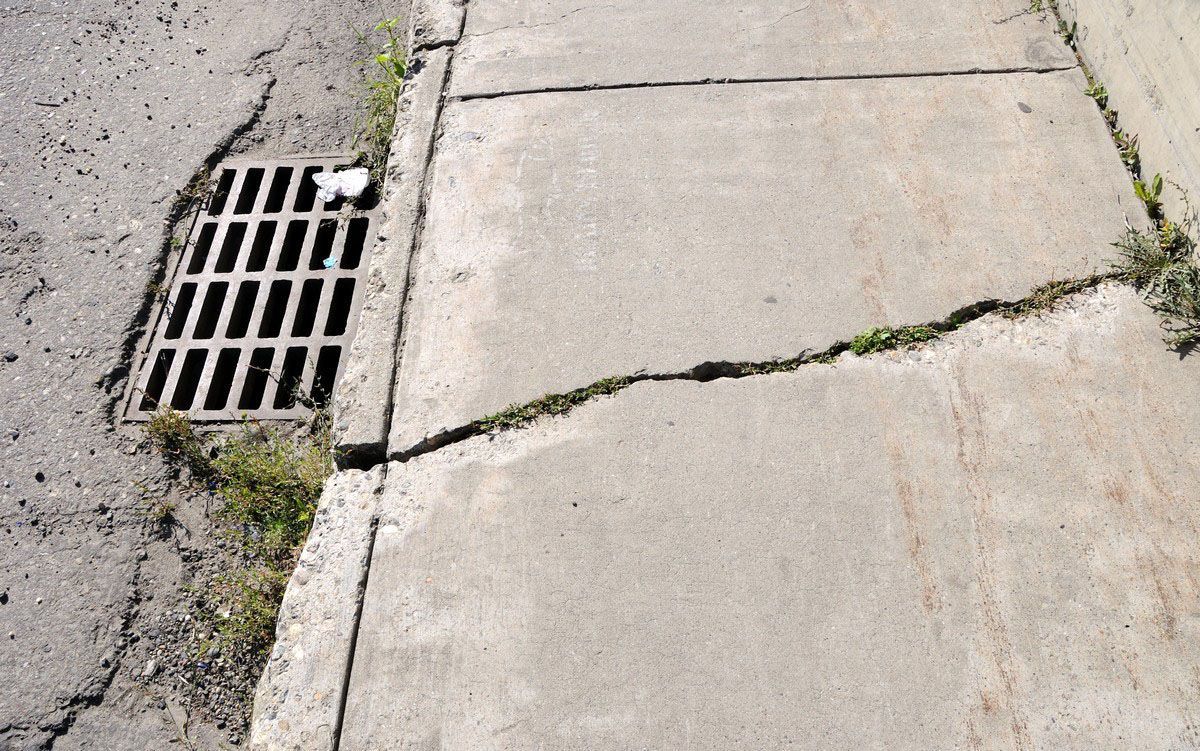
Tree roots are one of the biggest threats to underground plumbing, especially in older neighborhoods with tall, mature trees. Tiny roots naturally grow toward the warm moisture inside your pipes, slipping through small joints and expanding until they block water flow or crack the pipe wall. Older cast iron and clay pipes can also rust, flake, or break apart over time, creating rough edges that snag toilet paper and household waste until a full blockage forms.
Thorough sewer inspections also uncover grease clogs, sagging pipe sections, and even pests nesting inside dark, warm lines. Cooking oil, hair, and soap scum slowly coat the inside of your drain line, narrowing the opening until water drains at a crawl. Heavy soil movement after big rainstorms can even push pipe sections out of alignment, trapping wastewater underground before a complete blockage stops your entire household plumbing system in its tracks.
Exploring Modern Sewer Inspection Methods
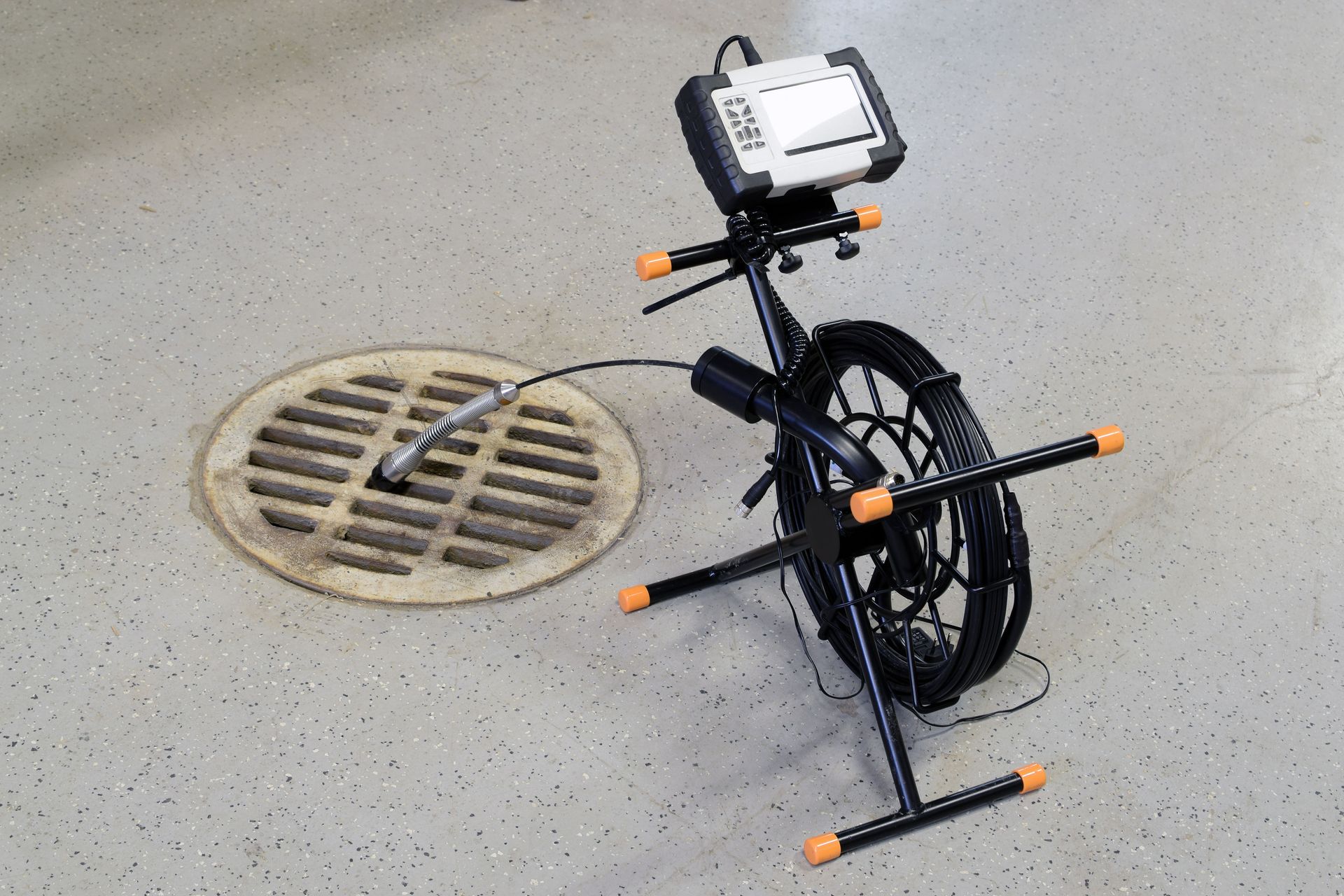
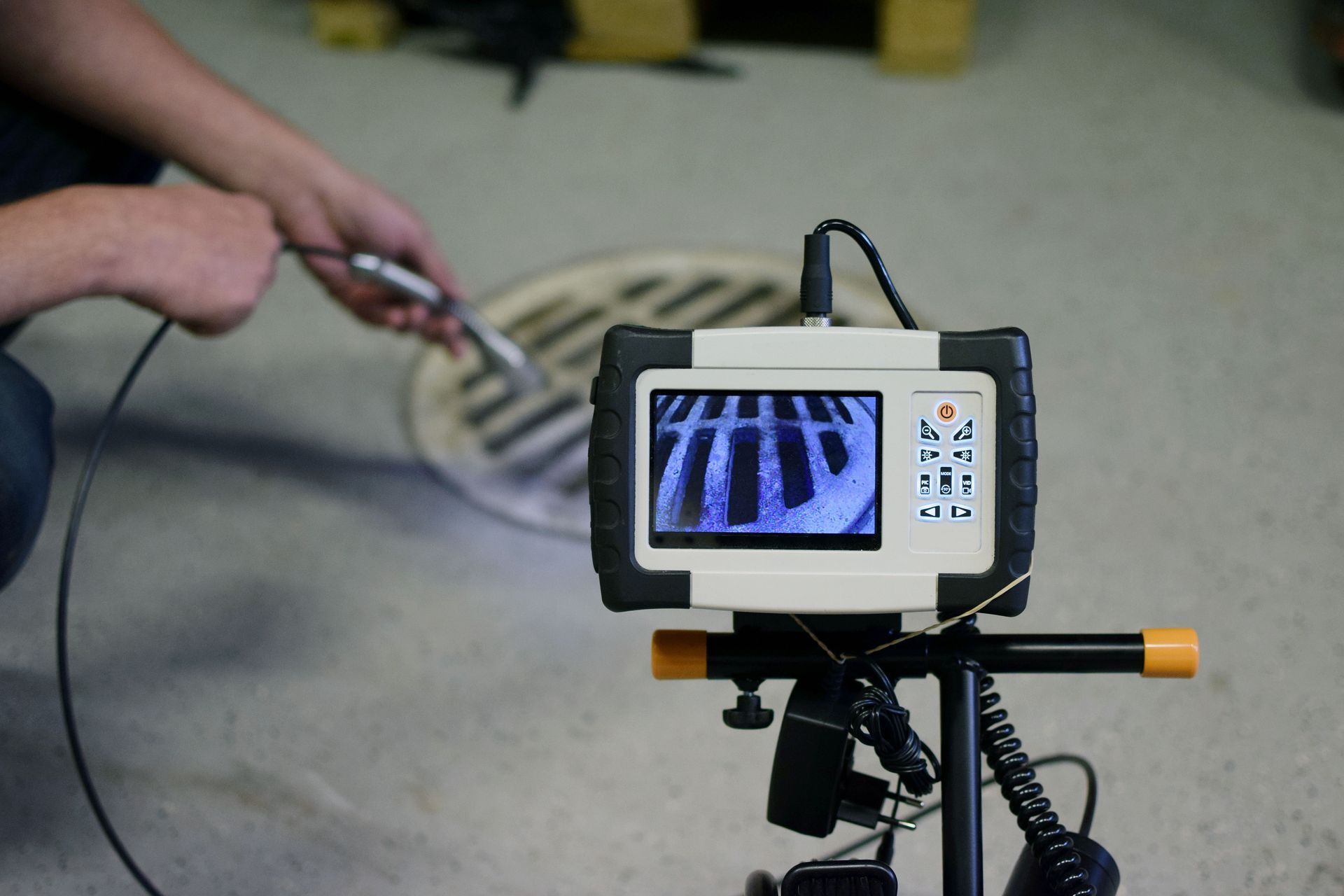
Today’s plumbers do not need to dig up your lawn or flower beds just to see why a drain is running slow. The most popular tool is a tiny, waterproof video camera attached to a flexible cable that travels smoothly through your entire sewer line. As the camera moves underground, you and your plumber can watch a live, clear video feed on a screen to see exact cracks, root clumps, or clogs in real time.
When a plumber needs to check for hidden leaks or pinpoint where a pipe runs under your yard, they may also use safe smoke, dye, or water pressure tests. Smoke testing sends harmless, visible vapor through the line to show where sewer gas or water might be escaping through tiny cracks. Bright, non-toxic dye testing confirms whether water is flowing properly toward the city main, giving you complete clarity without any guesswork or unnecessary yard digging.
Scheduling Checkups at the Right Time
Most homeowners benefit from booking sewer inspections every one to three years, depending on the age of their house and yard. Newer homes with modern plastic pipes can usually go a few years between checkups without any trouble or unexpected pipe wear. However, if your house is more than thirty years old, sits near large trees, or rests on shifting clay soil, an annual checkup is a smart habit that prevents unexpected backups.
Timing your checkup around the seasons—and major life events—also makes a big difference. Spring and summer are great times to inspect your line after winter freezes and heavy spring rains have shifted the ground. You should also always schedule an inspection before buying a new home or starting a major bathroom remodel, making sure the existing underground line can safely handle your family’s daily water use without backing up.
Choosing a Qualified Plumbing Specialist
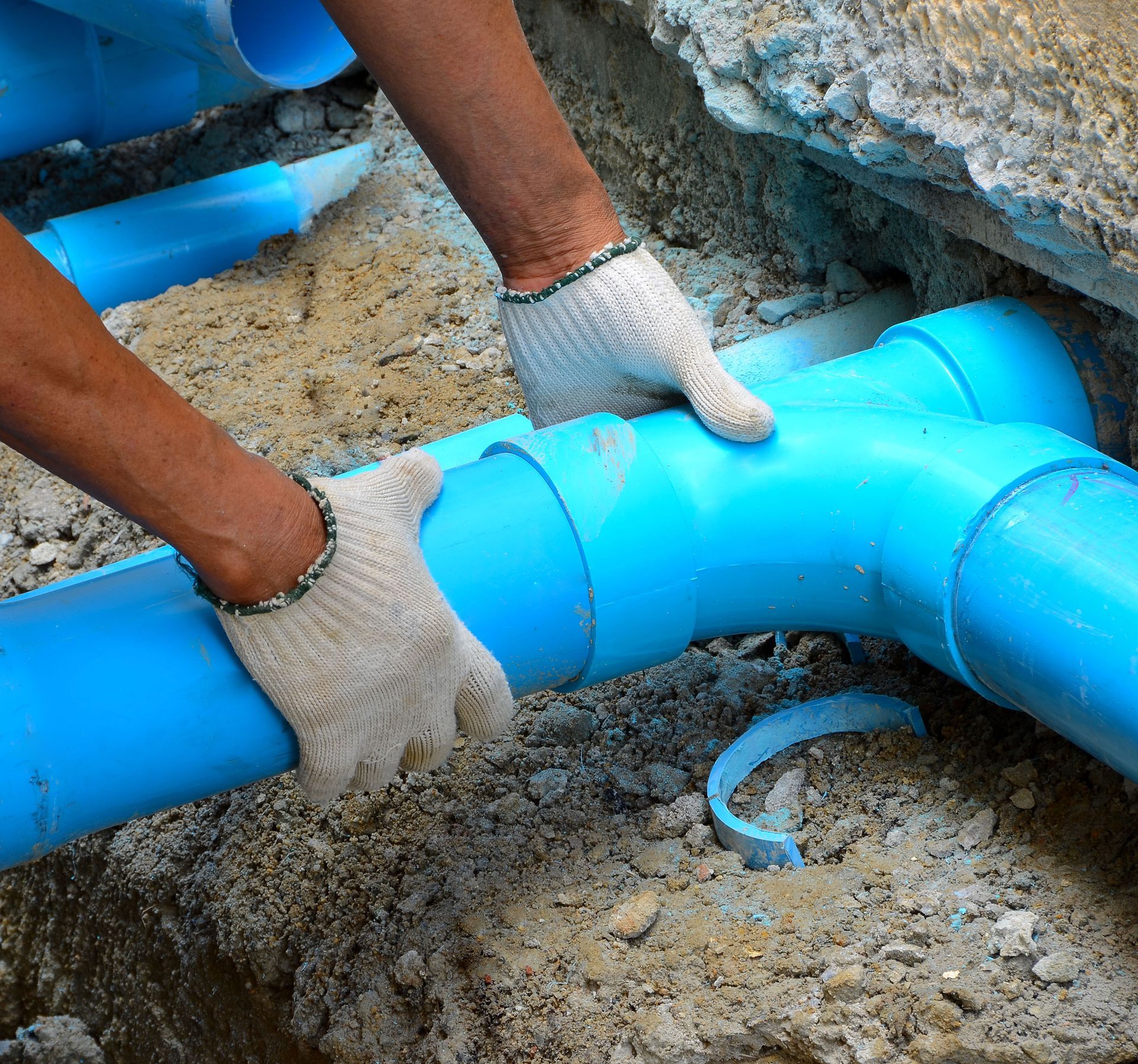
Finding the right plumber ensures you get an honest, accurate look at your underground pipes without unnecessary upsells. Start by looking for a licensed, insured local plumbing company with strong reviews from neighbors in your area. Experienced technicians know the common pipe materials used in local neighborhoods, from older clay and cast iron lines to newer plastic systems, and understand how local soil and tree roots affect them.
Comparing written estimates and checking what tools each company uses ensures you get thorough sewer inspections at a fair price. A trustworthy plumber will use high-definition camera equipment, give you a copy of the video footage, and explain any issues they find in plain, everyday language. Asking clear questions about repair options and warranties helps you make confident decisions that fit both your home and your family budget.
Comparing Store-Bought Tools With Expert Care
When a sink or toilet drains slowly, it is tempting to grab a bottle of chemical drain cleaner or rent a basic hand snake from the hardware store. While simple plungers and small drain tools can clear a hair clog right near a shower drain, they cannot reach deep into your main sewer line. Harsh liquid chemicals can actually eat away at older metal pipes and rubber seals, turning a minor clog into a leaking pipe.
Store-bought tools also cannot show you why a blockage keeps coming back month after month. Without a professional camera to look inside the pipe, you might clear a small hole through tree roots only for them to grow right back a few weeks later. Relying on trained professionals with commercial-grade cameras and cleaning gear solves the root cause safely, saving you wasted money and protecting your pipes from accidental damage from harsh chemicals or stiff cables.
Partnering With a Professional Plumbing Team
Taking care of your underground sewer line is one of the best ways to keep your home clean, comfortable, and free from messy plumbing emergencies. By catching tree roots, pipe wear, and grease buildup early, scheduling regular checkups, and relying on modern camera tools, you protect your property and avoid expensive yard excavation or major floor repairs down the road.
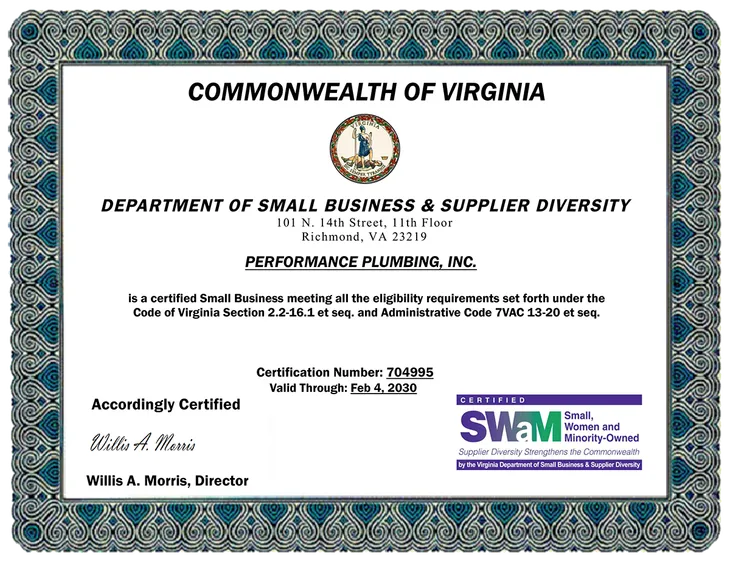
When you want clear answers about your underground pipes or need help with slow drains, reach out to Performance Plumbing Inc for thorough sewer inspections you can trust. Their friendly, licensed technicians will inspect your line with modern camera equipment, explain their findings in plain language, and help keep your home’s plumbing running smoothly for years to come. Schedule a visit today to protect your pipes and enjoy worry-free drains.