November 20, 2026
Exterior drainage systems protect commercial properties from standing water, soil erosion, and moisture damage. In Norfolk, VA, seasonal storms and heavy rainfall make proper drainage especially important. Professional plumbing inspection services evaluate drain layouts, pipe conditions, and water flow to identify potential issues. These assessments help property owners plan maintenance, protect buildings and paved areas, and reduce the risk of unexpected drainage problems during severe weather.
Assessing Drainage Layout and Design
An exterior drainage evaluation often begins with a review of the system's overall layout. Technicians identify visible drain inlets, catch basins, access points, connecting lines, and discharge locations. Understanding how these components work together helps determine whether runoff has a clear path away from the property.
The inspection also considers the surrounding landscape. Building foundations, paved areas, landscaped sections, and changes in elevation can influence how water travels across a site. In commercial settings, roof runoff, parking lot drainage, loading areas, and pedestrian walkways may feed into different parts of the exterior system. A careful assessment helps establish whether the existing arrangement is suited to the property's current use and drainage demands.
Examining Drain Dimensions and Pipe Alignment
Drain size and placement affect how efficiently an exterior system collects and carries water. According to HomeGuide, exterior drains commonly range from 10 to 100 feet in length, measure approximately 6 inches in width, and may extend to depths of 16 inches or more. These measurements provide a general reference, but actual dimensions vary according to site conditions, system design, and drainage requirements.
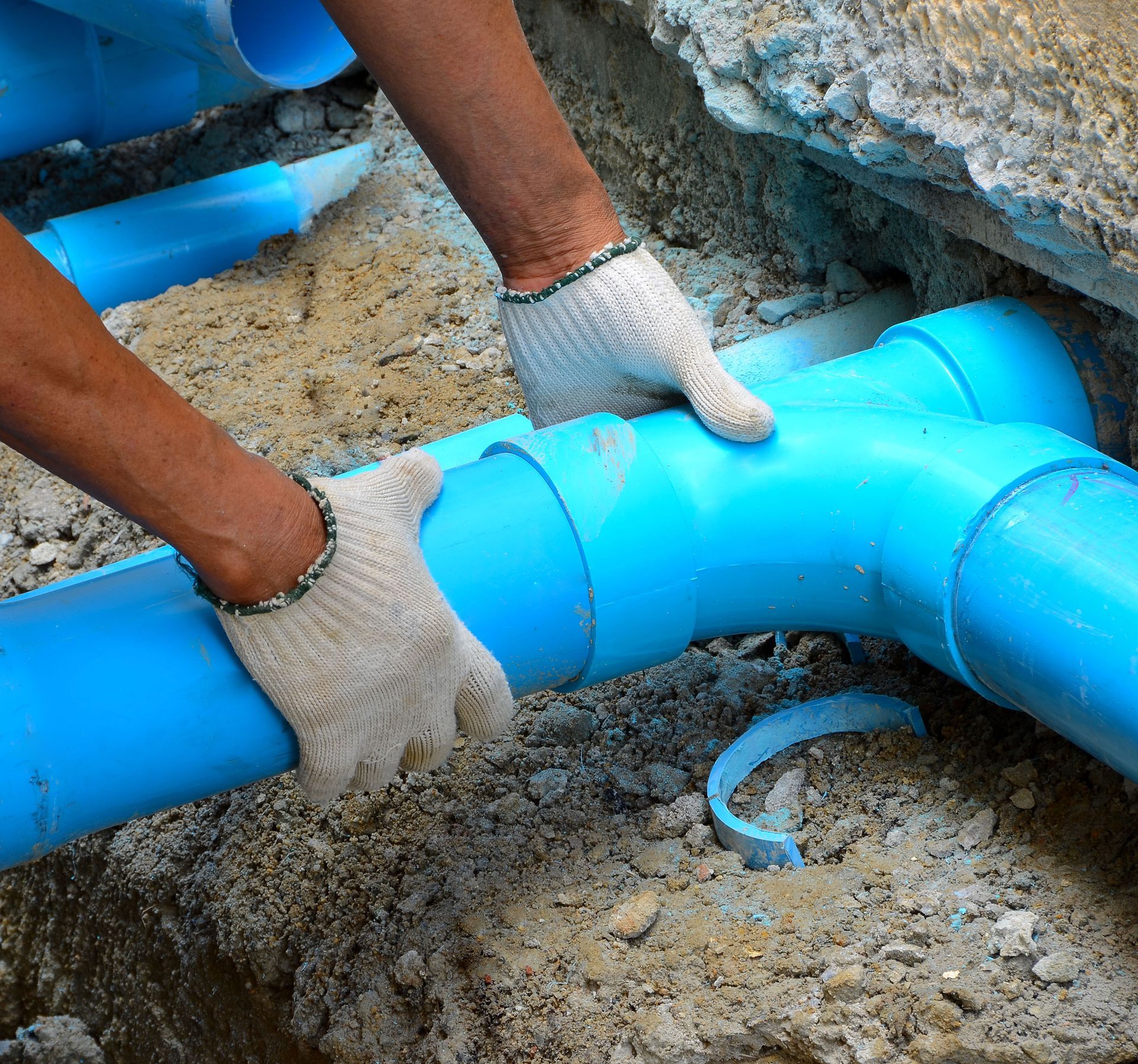
During an evaluation, plumbing inspection services may review accessible components and use appropriate diagnostic equipment to understand the condition of underground lines. Technicians look for signs that pipes have shifted, settled, become obstructed, or sustained damage. Misalignment can interfere with water flow and allow sediment to collect, while cracks or separated joints may permit soil and roots to enter the line.
The goal is to determine whether the drainage network remains structurally sound and capable of carrying water as intended. Where the layout or pipe condition raises concerns, the findings can guide decisions about professional cleaning, repairs, or further assessment.
Evaluating Slope and Water Flow
Gravity is a major factor in many exterior drainage systems. Pipes and channels generally need an appropriate downward grade so water can move toward the designated outlet. If the slope is insufficient, water may move too slowly, leaving sediment behind. If sections have settled unevenly, low spots can develop where water collects instead of continuing through the line.
Technicians assess visible signs of poor drainage and, when appropriate, use inspection equipment to evaluate the line's interior. They may consider whether water is moving consistently, whether there are signs of recurring backups, and whether the discharge point appears to be functioning properly. A drainage system that cannot move water efficiently may contribute to pooling near foundations, saturated landscaping, or standing water in paved areas.
Plumbing inspection services also take the property's operating conditions into account. A commercial site with extensive paved surfaces may produce substantial runoff during a storm, while landscaped areas can introduce soil and organic material into nearby drains. Understanding these factors helps technicians assess whether the system performs reliably under typical conditions.
Identifying Blockages and Debris Buildup
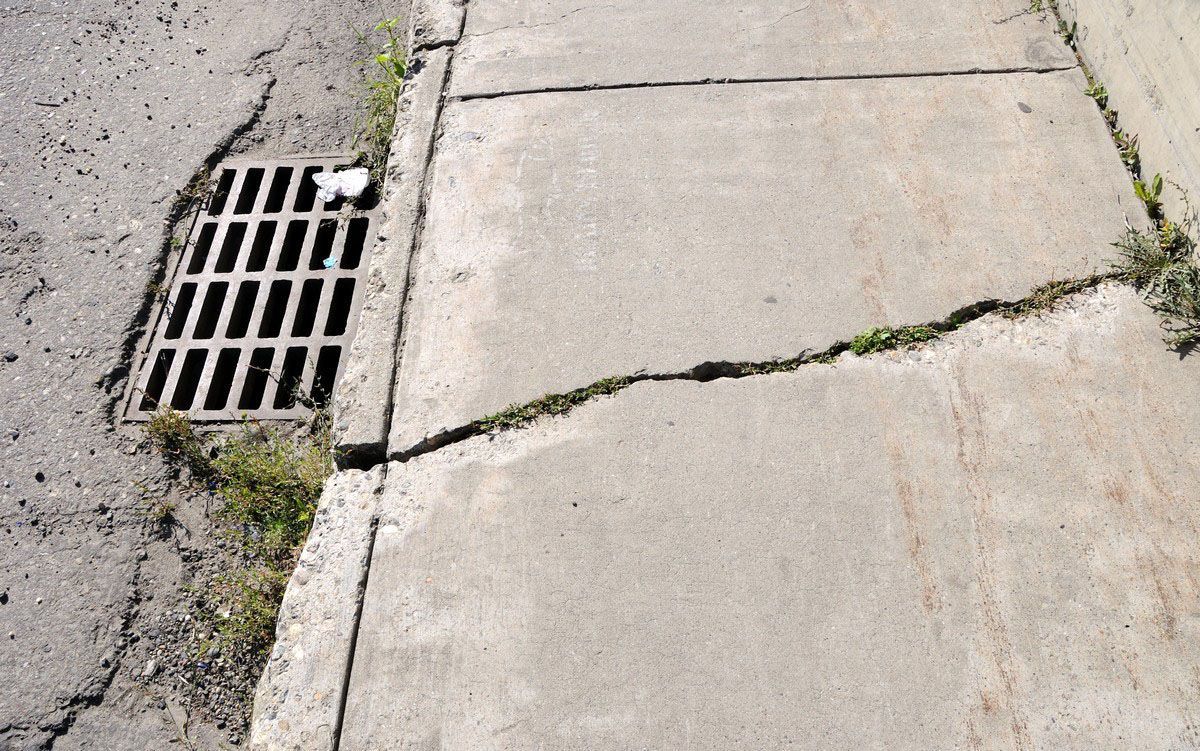
Leaves, mulch, sediment, litter, and other debris can restrict exterior drainage. Catch basins and drain openings may collect material carried by wind or runoff, while underground lines can accumulate sediment over time. Even a partial obstruction can reduce drainage capacity, especially during periods of intense rainfall.
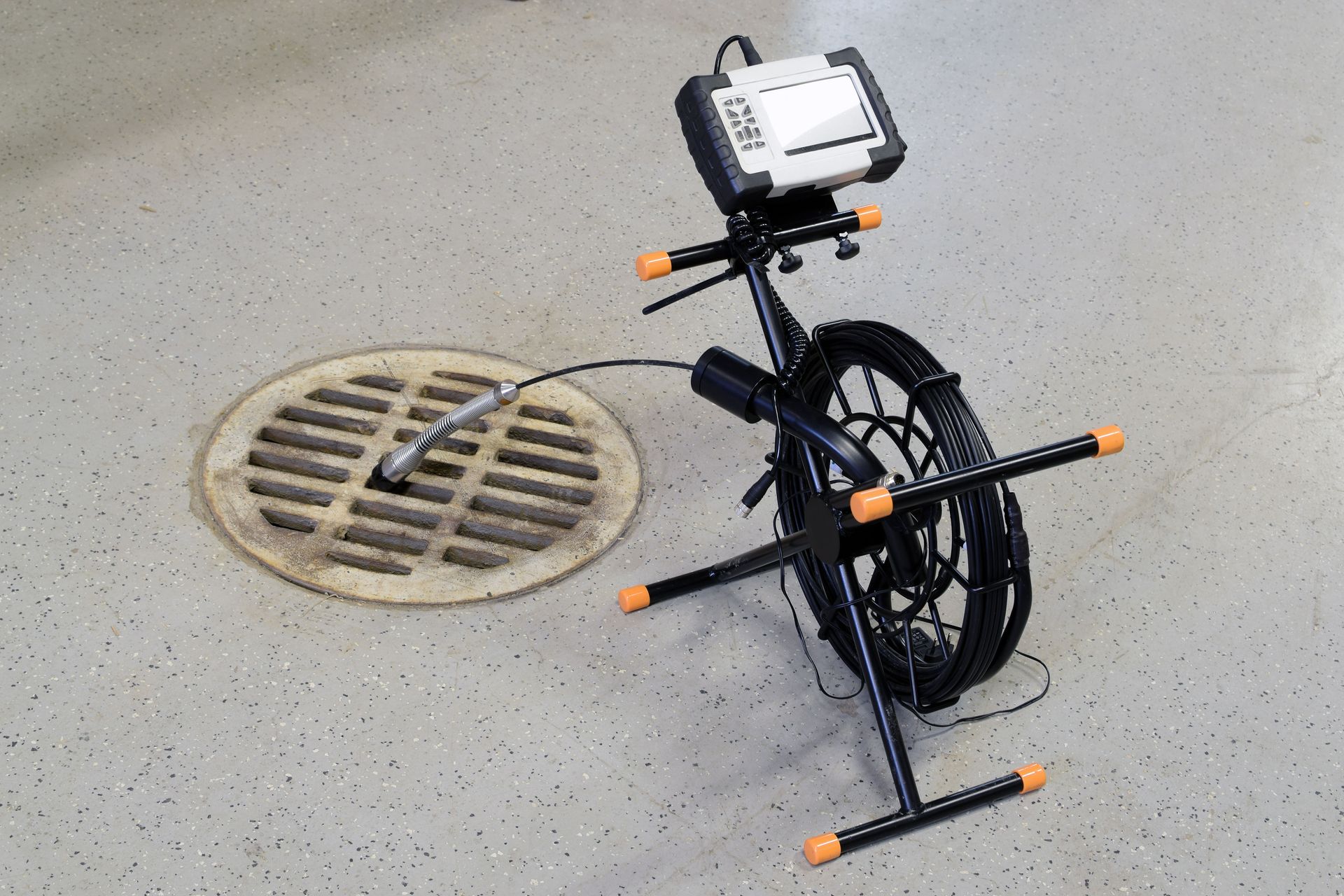
During an inspection, technicians examine accessible grates, inlets, basins, and outlets for visible buildup or signs of restricted flow. When the condition of an underground line is unclear, specialized equipment can help locate obstructions and assess their extent. Video camera inspections may also reveal deposits, intruding roots, cracks, or other conditions that are difficult to identify from the surface.
Finding the source of a restriction is important because different conditions may call for different professional solutions. A buildup of loose debris is not the same as a damaged pipe or root intrusion. Accurate diagnosis helps ensure that recommended cleaning or repairs address the actual cause rather than only the visible symptoms.
Checking for Structural Damage and Root Intrusion
Exterior drainage lines are exposed to soil movement, changing moisture levels, nearby vegetation, and the weight of vehicles or equipment above buried pipes. Over time, these conditions may contribute to cracks, displaced joints, or crushed sections. Tree and shrub roots can also enter small openings as they seek moisture, gradually creating obstructions or worsening existing damage.
Plumbing inspection services use visual assessments and suitable diagnostic methods to look for indicators of these problems. Camera technology can provide a closer view of pipe interiors, helping technicians identify cracks, root growth, separated connections, and other defects. This information can be especially useful when a property experiences repeated drainage issues despite previous cleaning.
Recognizing structural concerns early may help property managers plan repairs before a minor defect develops into a larger disruption. Inspection findings also provide a clearer basis for prioritizing work according to the condition and function of each affected section.
Reviewing Discharge Points and Surrounding Conditions
A drainage system is only as effective as its ability to release collected water at an appropriate location. For this reason, an exterior evaluation includes attention to discharge points, outlets, and the areas surrounding them. Technicians look for signs of blockage, erosion, unusual pooling, or water backing up toward the property.
The surrounding ground can offer useful clues. Washed-out soil may indicate concentrated flow, while persistently wet areas can suggest that water is not draining as expected. In coastal Hampton Roads, heavy rain and saturated ground can make these issues more noticeable. Seasonal storms may also carry leaves, sediment, and other debris into drainage openings, increasing the importance of periodic professional assessments.
An evaluation considers whether the discharge area is clear and whether runoff appears to be directed away from vulnerable parts of the property. Any concerns are documented so property owners can understand the condition of the system and consider appropriate next steps.
Interpreting Findings and Planning Maintenance
Once the evaluation is complete, technicians review their observations and explain any conditions that may affect drainage performance. Findings may include debris accumulation, slow flow, pipe damage, root intrusion, poor alignment, or concerns around an outlet. Clear explanations help property managers understand which issues need attention and which components appear to be operating as intended.
Plumbing inspection services can also support a practical maintenance plan. The recommended schedule may depend on the property's size, drainage design, surrounding trees, amount of paved surface, and history of blockages or water accumulation.
Commercial properties with high runoff volumes or frequent debris exposure may require more frequent drainage maintenance to maintain proper water flow. In Norfolk, VA, seasonal rainfall and coastal weather can place additional demands on exterior drainage systems.
Professional plumbing inspection services help identify blockages, pipe damage, and drainage concerns before they lead to costly disruptions. Regular evaluations also help property managers plan necessary cleaning and repairs, reduce unexpected maintenance issues, and maintain safer conditions around buildings, parking areas, and walkways.
Performance Plumbing Inc serves Norfolk and surrounding areas with commercial plumbing, drain cleaning, and video inspection solutions to help keep drainage systems functioning reliably. Contact Performance Plumbing Inc today to schedule a professional drainage evaluation and help keep your property's exterior drainage system working reliably.