November 24, 2026
Purchasing a residential property represents one of the most substantial financial commitments you will ever make in your lifetime. While standard home inspectors provide a general overview of a property, they rarely possess the specialized diagnostic equipment required to evaluate concealed subterranean drainage systems and pressurized water lines. Investing in a professional plumbing inspection before finalizing your purchase uncovers costly hidden hazards that could otherwise turn your dream property into an expensive financial nightmare. Taking this proactive step ensures you transition into your new living space with complete confidence and peace of mind.
1. Uncovering Underground Sewer Line Obstructions and Collapses
Underground sewer lateral lines connect a home to the municipal sewer main, yet because these pipes remain buried deep below the lawn, standard walkthroughs cannot assess their true structural health. Mature tree roots, shifting soil, and decades of sediment buildup frequently cause severe blockages, pipe fractures, and complete line collapses. A dedicated plumbing inspection utilizes advanced CCTV inspections to guide high-resolution, waterproof cameras directly through the entire subterranean system. This camera feed allows technicians to pinpoint intrusive roots, misaligned joints, sagging bellies, and cracked lines before you assume legal ownership of the property.
Replacing an underground sewer line can easily cost thousands of dollars, making prior knowledge essential for any prospective homebuyer. When serious deterioration is discovered early, licensed contractors can resolve the structural issue using modern trenchless pipe lining or targeted point repairs rather than excavating the entire yard. Discovering these severe underground vulnerabilities prior to closing provides you with crucial data to request repairs from the current owner. Without an in-depth video evaluation, you risk inheriting catastrophic sewer backups into finished living spaces just days after moving into your new home:
- Tree root infiltration: Roots seek moisture, entering small seams and expanding until they shatter pipes.
- Pipe bellies: Low points in sagging sewer pipes collect standing water, creating recurring clogs.
- Joint separation: Shifting ground forces pipe segments apart, letting wastewater leak into the yard.
2. Detecting Concealed Slab Leaks Beneath the Foundation
Homes constructed on concrete slab foundations house a substantial portion of their pressurized water supply infrastructure directly beneath thick concrete. Over several years, friction against surrounding gravel, soil corrosion, and thermal expansion can cause pinhole leaks within buried copper supply lines. Because these leaks remain buried under the foundation, they often go unnoticed for months while silently eroding supporting subsoil and compromising structural stability. Scheduling a dedicated plumbing inspection allows master plumbers to conduct specialized hydrostatic pressure evaluations and electronic leak detection to confirm system integrity.
Sustained underground water leaks cause the soil beneath a house to settle unevenly, leading to cracked drywall, sagging flooring, and expensive foundation damage. Professional slab leak repair requires specialized locating tools and expert restoration methods to minimize physical damage to the flooring. Knowing whether a home has an active foundation leak enables you to make informed decisions before signing final purchase contracts. A timely evaluation protects you from sudden drops in water pressure, unexplained foundation movement, and exorbitant municipal utility bills immediately after taking ownership of the house.
3. Evaluating the Age and Condition of the Water Heater
During an evaluation, a specialist examines the water heater's storage tank, burner assembly, anode rod, relief valves, and electrical connections to determine remaining service life. If the existing unit exhibits substantial rust, calcium accumulation, or active moisture pooling, you may face immediate water heater repair or complete unit replacement.
Beyond assessing existing equipment, an evaluation helps prospective buyers determine whether the current unit fits their family's hot water usage requirements. Many contemporary homeowners prefer modernizing aging units with efficient tankless water heater installation to reduce long-term utility expenses and eliminate standby energy losses. Reviewing the heating infrastructure in advance ensures you are fully aware of potential upgrade costs and can factor them directly into your overall homebuying budget:
- Sediment accumulation: Heavy scale buildup in the tank bottom insulates water from heating elements, driving up monthly energy bills.
- Corrosion and rusting: Rust spots on tank seams or fittings indicate impending structural failure and sudden flooding risks.
- Improper venting: Inadequately installed flue pipes on gas water heaters pose dangerous carbon monoxide risks to household occupants.
4. Preventing Rapid Mold Growth Caused by Minor Leaks
Concealed moisture behind bathroom drywall, under kitchen cabinets, and beneath laundry utility boxes creates ideal environments for hazardous fungal colonies. Small pinhole leaks in pressurized supply lines or loose drain fittings can drip undetected for months, rotting wooden subfloors and saturating wall insulation. According to This Old House, mold spores can begin colonizing moist building materials in as little as one to two days. Remediating widespread black mold requires extensive structural demolition, hazardous material abatement, and thousands of dollars in unexpected reconstruction costs.
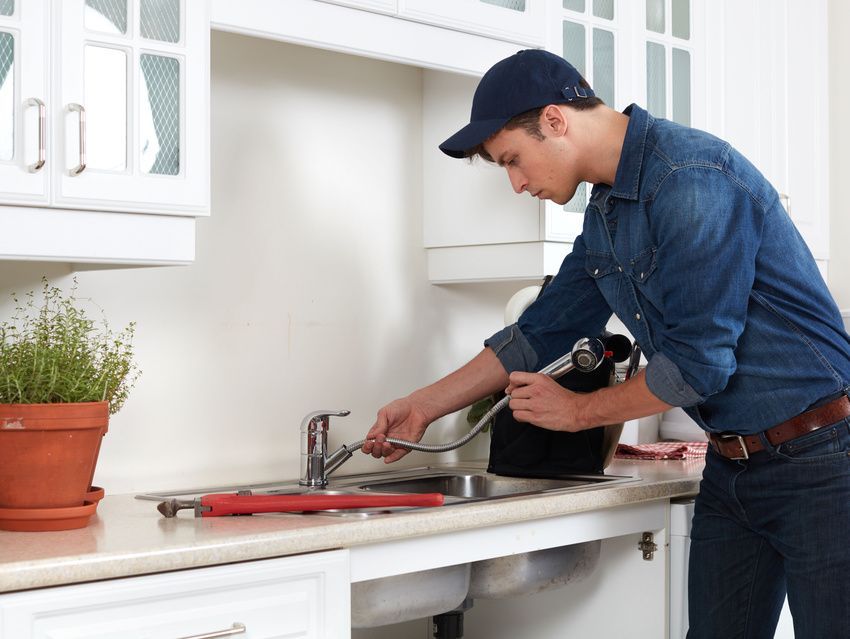
A comprehensive plumbing inspection identifies slow-dripping supply shutoff valves, compromised wax seals beneath toilets, and decaying trap assemblies before fungal growth spreads throughout living spaces. Licensed technicians inspect all visible shutoff valves, fixture connections, and supply lines to confirm that every fitting remains watertight and structurally sound. Identifying slow moisture seepage before completing your real estate transaction protects your family from indoor allergens, respiratory illnesses, and costly remediation projects. Preventing water damage early is always substantially more affordable than repairing rotted structural floor joists after you unpack your belongings.
5. Assessing Outdated Piping Materials and Structural Wear
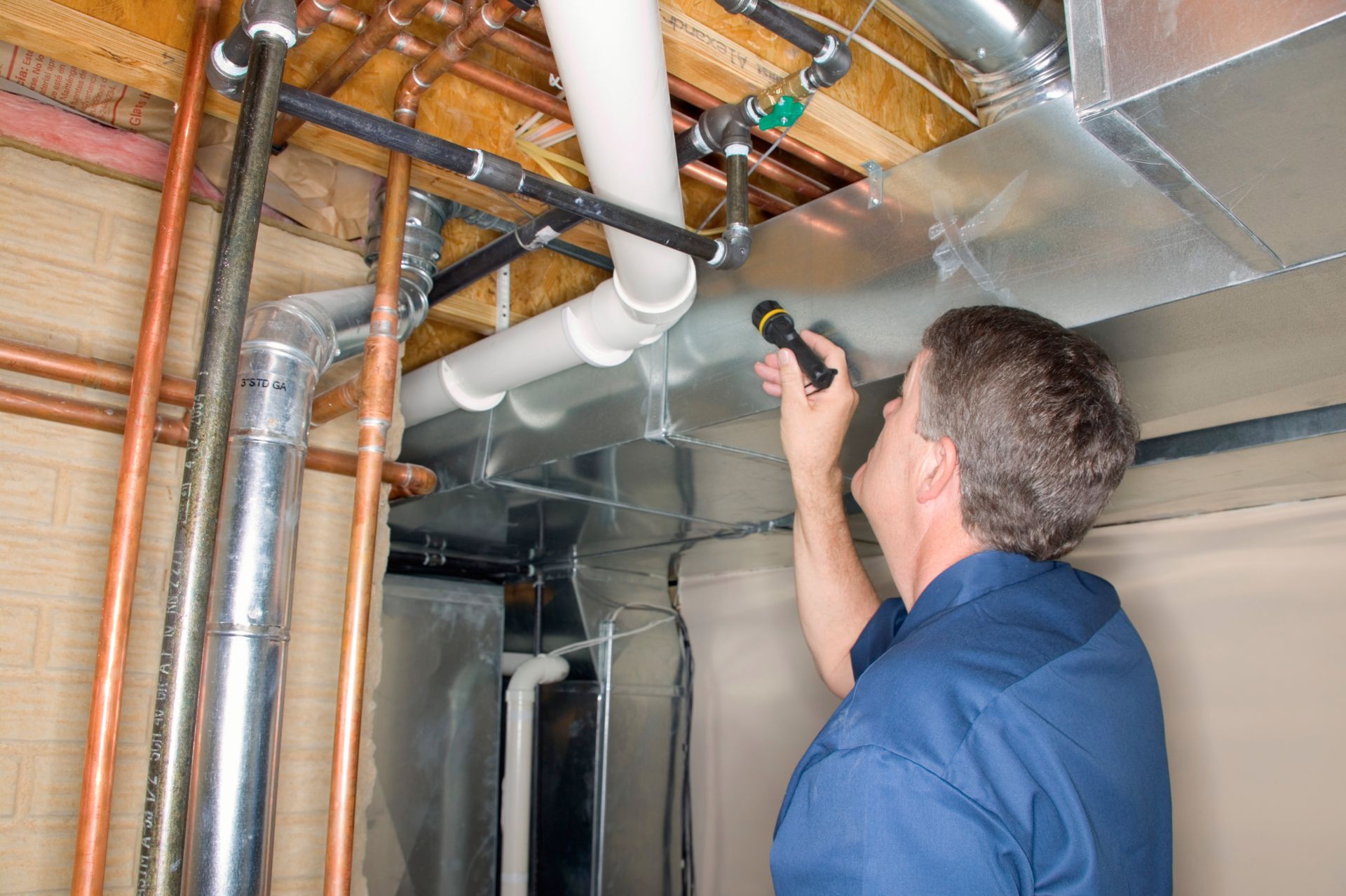
The materials utilized in residential plumbing networks vary dramatically depending on the era in which the property was constructed. A comprehensive plumbing inspection documents the exact piping materials present throughout the house, alerting you to obsolete or hazardous plumbing networks.
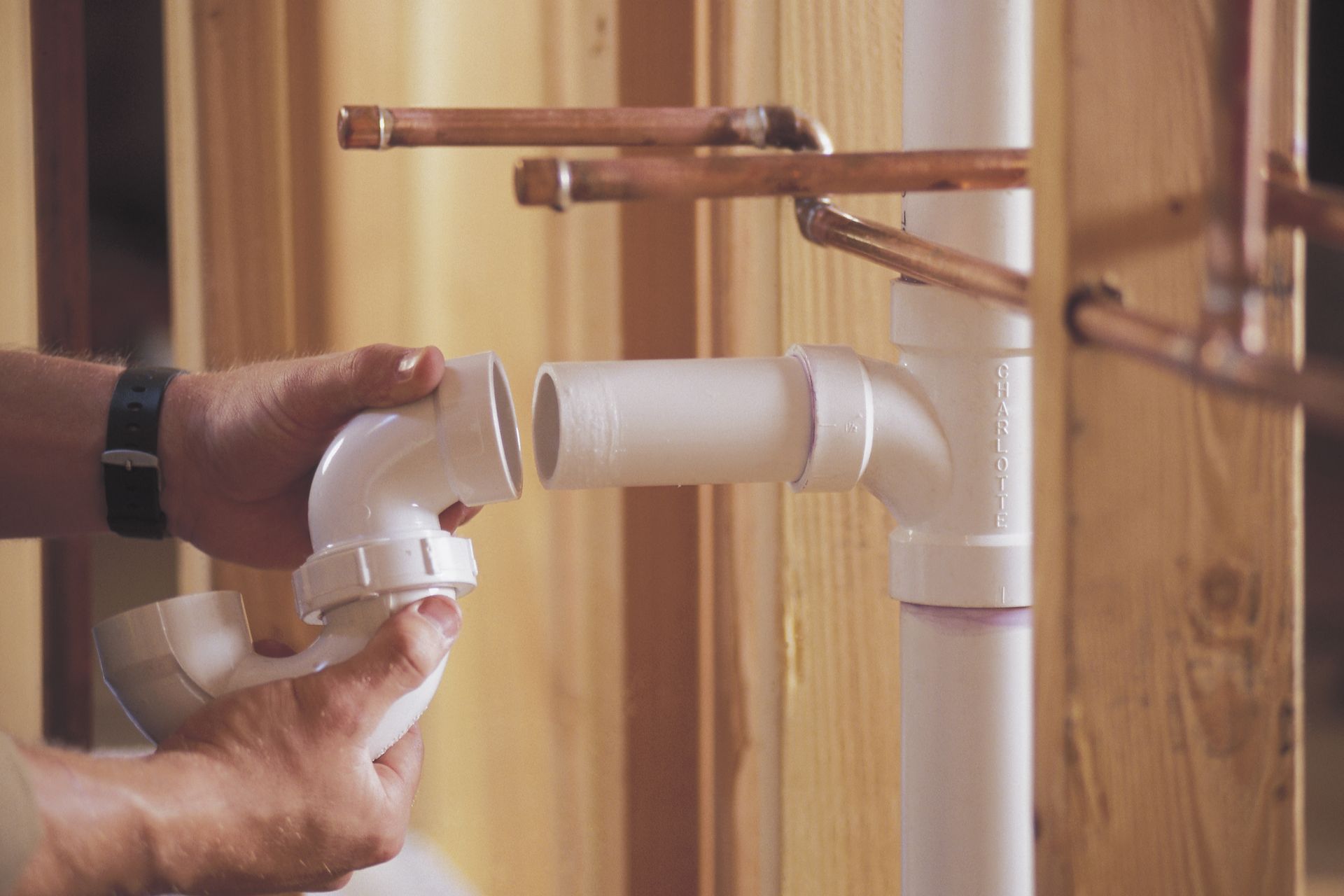
In addition to inspecting supply piping, technicians evaluate the drainage and venting system to verify proper waste disposal and gas ventilation. Corroded cast iron drain stacks frequently develop longitudinal cracks and rough interior walls that snag debris, resulting in stubborn, chronic blockages. Knowing whether a prospective house requires comprehensive pipe relining or fixture upgrades helps you avoid unforeseen replumbing projects shortly after move-in day. Identifying these outdated materials gives you a realistic timeline for future mechanical modernization and ensures fewer insurance obstacles during your purchase.
6. Gaining Strategic Financial Leverage During Purchase Negotiations
Uncovering mechanical defects during your pre-closing due diligence window shifts considerable financial leverage directly into your hands. If an evaluation uncovers failing drain stacks, damaged sewer lines, or active slab leaks, you can formally request that the seller perform required repairs prior to closing. Alternatively, you can negotiate a substantial credit toward closing costs or request a direct price reduction to cover the expense of hiring your own licensed contractors. When buyers skip specialized evaluations, they absorb all financial liability for preexisting mechanical failures the instant deed documents are signed.
Having a detailed diagnostic report from licensed plumbing contractors provides concrete evidence that sellers and real estate agents cannot dismiss as subjective opinion. In competitive real estate markets, buyers occasionally waive general home inspections, but waiving specialized mechanical checks often results in painful financial regret. Investing a few hundred dollars in an independent evaluation can easily preserve thousands of dollars in your personal savings account. Securing documented repair estimates empowers you to negotiate confidently and purchase your future home on your own terms.
Protecting Your Long-Term Real Estate Investment
Purchasing a home should represent a celebrated personal milestone rather than a stressful cycle of unexpected mechanical breakdowns and emergency service calls. Taking the time to thoroughly evaluate subterranean sewer mains, pressurized water supply lines, foundation slabs, and heating equipment ensures that your property remains safe, functional, and durable for decades to come. When you uncover concealed plumbing vulnerabilities before signing final paperwork, you protect your family's personal finances, health, and comfort. To ensure your prospective property is thoroughly evaluated and safe from unexpected pipe disasters, reach out to Performance Plumbing Inc today.