November 23, 2026
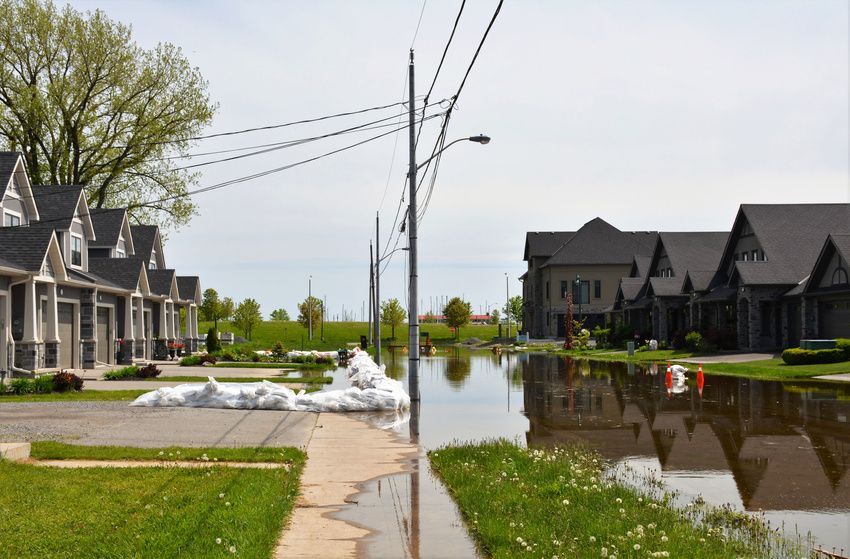
Heavy rainfall can create serious drainage challenges in coastal communities like Norfolk, Virginia. When rainwater has nowhere to go, streets can flood, parking areas can collect standing water, and runoff can threaten nearby properties. Professional storm drain cleaning helps remove obstructions that restrict water flow, allowing drainage systems to function more effectively during heavy rainfall.
For neighborhoods throughout Norfolk and the surrounding Hampton Roads region, routine drainage maintenance is an important part of seasonal preparation, helping property owners and community managers reduce preventable drainage problems and support better flood prevention.
Understanding the Connection Between Storm Drains and Flooding
Storm drains are designed to collect rainwater from streets, parking lots, sidewalks, and other paved surfaces. The collected water travels through underground drainage pipes and is directed toward designated discharge areas, helping prevent excessive water accumulation in developed areas.
However, these systems can only manage runoff effectively when water can enter and move through them. Leaves, sediment, litter, branches, and other debris can accumulate around drain openings or inside connected pipes. As these materials build up, they restrict the amount of water the system can carry.
During light rainfall, a partially obstructed drain might not create an obvious problem. Heavy or prolonged precipitation, however, can quickly expose the reduced drainage capacity. Water may begin pooling around intersections, collecting in low-lying streets, or spreading into nearby parking areas.
According to This Old House, the United States has experienced an urban flooding event once every two to three days over the last 25 years. This frequency highlights how regularly urban communities face drainage challenges and why maintaining existing stormwater infrastructure deserves attention.
Recognizing Common Causes of Storm Drain Blockages
Storm drains encounter different types of debris throughout the year. In Norfolk, seasonal weather patterns, coastal conditions, and surrounding vegetation can all contribute to drainage obstructions.
Fallen leaves and small branches are common contributors during autumn. When these materials collect around curb inlets and drain grates, they can prevent rainwater from entering the system efficiently. Wind and heavy rainfall may also move yard waste and other loose materials into drainage openings.
Sediment presents another challenge. Soil, sand, and other fine particles can enter stormwater systems through runoff, gradually settling inside pipes and drainage structures. Over time, accumulated sediment reduces the available space for water to travel.
Litter and improperly discarded materials can create additional obstructions. Plastic packaging, paper products, and other debris may collect around drain openings, particularly in busy commercial areas and heavily traveled neighborhoods.
Coastal communities also experience environmental conditions that can influence drainage performance. Norfolk's proximity to the Chesapeake Bay and Atlantic coastline means properties must contend with intense rainfall, changing water levels, and occasional tropical weather systems. These conditions make consistent attention to stormwater infrastructure especially valuable.
Improving Water Flow Through Routine Drainage Maintenance
One of the primary benefits of storm drain cleaning is restoring the drainage capacity that can be lost when debris accumulates. Removing obstructions allows water to enter drain openings and travel through connected pipes more efficiently.
When storm drains function properly, rainwater has a better opportunity to move away from streets, paved surfaces, and surrounding properties instead of collecting in unwanted areas. This can help reduce localized flooding caused by preventable blockages.
Routine maintenance also helps address problems before they become more disruptive. A drain that gradually becomes obstructed may continue operating at a reduced capacity until a significant rainfall event overwhelms it. Regular professional inspections and cleaning can identify these developing concerns before they contribute to standing water or backups.
It is important to recognize that drainage maintenance cannot increase the capacity of an undersized system or correct every infrastructure problem. However, keeping existing components clear helps ensure that avoidable obstructions do not make an already challenging drainage situation worse.
Protecting Streets, Parking Areas, and Nearby Properties
Neighborhood flooding affects more than road conditions. Standing water can interfere with everyday transportation, create hazardous walking conditions, and disrupt access to homes and businesses.
Commercial properties are particularly vulnerable when parking lots, loading areas, and entrances experience poor drainage. Water accumulation can interfere with deliveries, limit customer access, and create additional maintenance concerns. For industrial facilities, drainage problems may also affect daily operations and the safe movement of equipment.
Residential areas can experience similar inconveniences. Water that collects near driveways, sidewalks, and building entrances may create accessibility concerns and increase the potential for property damage, especially when drainage issues persist.
By helping stormwater systems maintain their intended flow, professional maintenance supports safer and more functional outdoor spaces. It also contributes to the broader goal of protecting neighborhood infrastructure during periods of heavy precipitation.
Preparing for Norfolk's Seasonal Weather Conditions
Norfolk experiences rainfall throughout the year, but certain seasons bring additional concerns for local drainage systems. Autumn introduces falling leaves and organic debris, while winter and early spring can bring changing weather conditions and continued accumulation of sediment.
Summer also deserves attention. Thunderstorms can develop quickly across Hampton Roads, bringing concentrated rainfall over short periods. Tropical storms and hurricanes introduce another level of concern, potentially producing prolonged precipitation, strong winds, and significant debris accumulation.
Preparing drainage infrastructure before these weather events is a practical way to reduce avoidable complications. Scheduling storm drain cleaning as part of seasonal property maintenance can help identify and remove accumulated materials before periods of increased rainfall.
Property managers, commercial facility operators, and community associations can benefit from establishing maintenance schedules based on their locations and drainage conditions. Areas surrounded by mature trees, heavily paved surfaces, or frequent vehicle traffic may require more frequent attention.
A proactive approach also makes it easier to identify recurring concerns. If the same drainage area repeatedly experiences standing water, a professional evaluation can help determine whether the problem involves debris, sediment accumulation, damaged pipes, or insufficient drainage capacity.
Understanding the Value of Professional Drainage Services
Stormwater drainage systems often extend beneath roads, sidewalks, and commercial properties, making their maintenance more complicated than clearing visible debris. Blockages can develop deep inside underground pipes or within structures that require specialized equipment to access.
Professional storm drain cleaning addresses these challenges through appropriate inspection and cleaning methods. Experienced technicians can assess drainage conditions, locate obstructions, and determine the equipment needed to remove accumulated materials safely and effectively.
Specialized vacuum equipment can remove sediment, sludge, and debris from drainage structures and other difficult-to-access areas. Depending on the system and the nature of the obstruction, professional technicians may also recommend additional inspection or cleaning methods.
Video inspections can provide valuable information when a drainage problem is difficult to identify. By examining the interior of a pipe, technicians can locate potential obstructions, evaluate pipe conditions, and determine whether structural concerns may be contributing to poor drainage.
Professional service also helps property managers make informed maintenance decisions. Rather than waiting for a major rainfall event to reveal a problem, they can address developing concerns and plan future maintenance around the condition of their drainage infrastructure.
Preventing neighborhood flooding requires more than maintaining individual storm drains. Effective stormwater management depends on properly functioning drainage infrastructure, adequate system capacity, responsible waste disposal, and attention to surrounding environmental conditions.
Municipalities, commercial property owners, and community associations all have a role in supporting reliable drainage. Coordinated maintenance can help reduce the likelihood that preventable blockages will interfere with stormwater movement across connected areas.
Regular professional maintenance is particularly valuable for properties with multiple drainage structures or extensive paved surfaces. A consistent schedule makes it easier to monitor system conditions, identify recurring problems, and address buildup before it causes significant disruption.
Storm drain cleaning is one practical part of a larger flood-prevention strategy. While it cannot eliminate flooding caused by extreme rainfall, storm surges, or overwhelmed municipal infrastructure, it helps existing drainage systems perform as intended.
For dependable drainage maintenance and professional storm drain cleaning in Norfolk, VA, and surrounding areas, contact Performance Plumbing Inc to request an estimate and discuss the right maintenance solution for your property.