November 23, 2026
Choosing between cross-linked polyethylene and traditional metal tubing remains one of the most critical decisions a homeowner faces during a whole-home plumbing overhaul. Aging supply lines create chronic leaks, lower water pressure, and introduce corrosion that compromises residential water quality over time. Selecting the right replacement material ensures decades of worry-free operation, structural protection, and steady household water flow.
Evaluating the Fundamentals of Modern Supply Lines
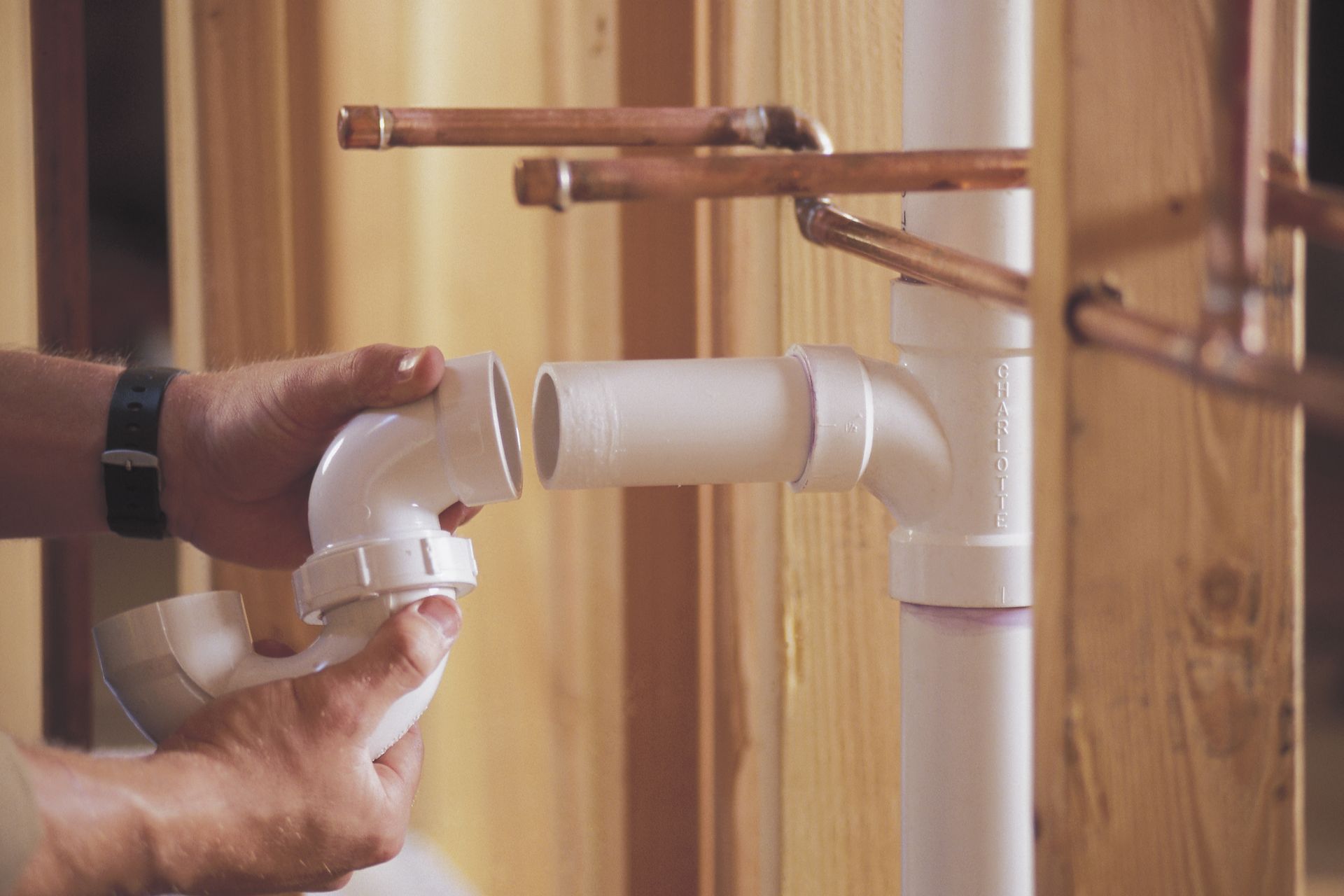
Residential plumbing systems historically relied on rigid metallic pipelines to distribute hot and cold water throughout living spaces. Over several decades, copper earned a reputation as the gold standard of modern construction due to its incredible rigidity, resistance to high temperatures, and proven longevity. However, the introduction of cross-linked polyethylene, commonly known as PEX, disrupted conventional construction practices by offering flexible routing, simpler installation methods, and notable cost savings.
When residential systems begin to corrode from the inside out, property owners often weigh non-invasive restoration against complete line substitution. In specific structural configurations, technicians utilize pipe lining to seal small cracks and stabilize existing underground infrastructure before deciding on a comprehensive system replacement. Nevertheless, standard residential supply lines frequently demand an outright material upgrade rather than localized stabilization. Understanding the mechanical characteristics of each material helps homeowners determine whether a flexible thermoplastic or a classic metallic framework best serves their long-term household needs.
Assessing the Durability and Chemical Resilience of Each Material
Material endurance dictates how long supply networks function before experiencing catastrophic failures, pinhole leaks, or mineral obstruction. Copper boasts a documented service history spanning over five decades, handling extreme water temperatures, intense hydraulic pressures, and direct ultraviolet exposure without physical degradation. Because it is a rigid metal, it does not warp or soften when exposed to prolonged sunlight or high ambient attic temperatures.
Conversely, flexible thermoplastic tubing continues to demonstrate exceptional durability under challenging household circumstances. PEX tubing resists scale buildup, acidic water corrosion, and chlorine pitting far better than metallic alternatives, preventing the gradual narrowing of inner pipe diameters. According to Forbes, modern residential installations using cross-linked polyethylene typically deliver an expected operational lifespan ranging between twenty-five and forty years under standard conditions.
Freeze resilience represents another distinct performance difference between these two plumbing standards. Copper pipes are rigid, meaning that when trapped water freezes and expands, the metal often fractures, leading to severe indoor flooding once the thaw begins. Flexible tubing expands slightly to accommodate freezing water, resulting in fewer split supply lines during sudden winter freezes. While non-invasive pipe lining offers structural support for drain networks exposed to temperature swings, supply lines themselves rely on the innate elasticity of their primary construction material to avoid winter damage.
Comparing Total Material Costs and Installation Efficiency
Project budgets frequently guide major remodeling and maintenance decisions, and supply line replacement costs vary drastically based on raw commodities and required physical labor. Copper represents a substantial financial investment because raw metal prices fluctuate on international commodity exchanges, driving up base material expenses. Furthermore, installing rigid lines requires flame torches, flux, lead-free solder, and precise manual measurements around wall studs and floor joists.
PEX drastically lowers total material expenditures and labor overhead across multi-story residences. Because the flexible tubing arrives on continuous rolls, technicians pull lengthy lines through structural cavities much like electrical wiring, requiring fewer directional fittings and soldered joints. By eliminating dozens of physical connection points behind finished drywall, the installation process moves substantially faster and reduces potential leak sites.
To evaluate overall cost-efficiency across residential layouts, consider these primary labor and material factors:
- Raw material acquisition costs: Thermoplastic polymers remain significantly more budget-friendly than precious metallic commodities, minimizing upfront system expenses.
- Fitting requirements: Flexible tubing bends easily around sharp structural corners, requiring fewer elbow couplings than rigid metal systems.
- Specialized tools and equipment: Joining rigid metallic tubing requires soldering gear and fire-safety shields, whereas plastic lines connect rapidly using crimp rings, clamp rings, or expansion tools.
- Access damage to interior surfaces: Because flexible lines snake through existing wall cavities, technicians open fewer large inspection holes in drywalled partitions.
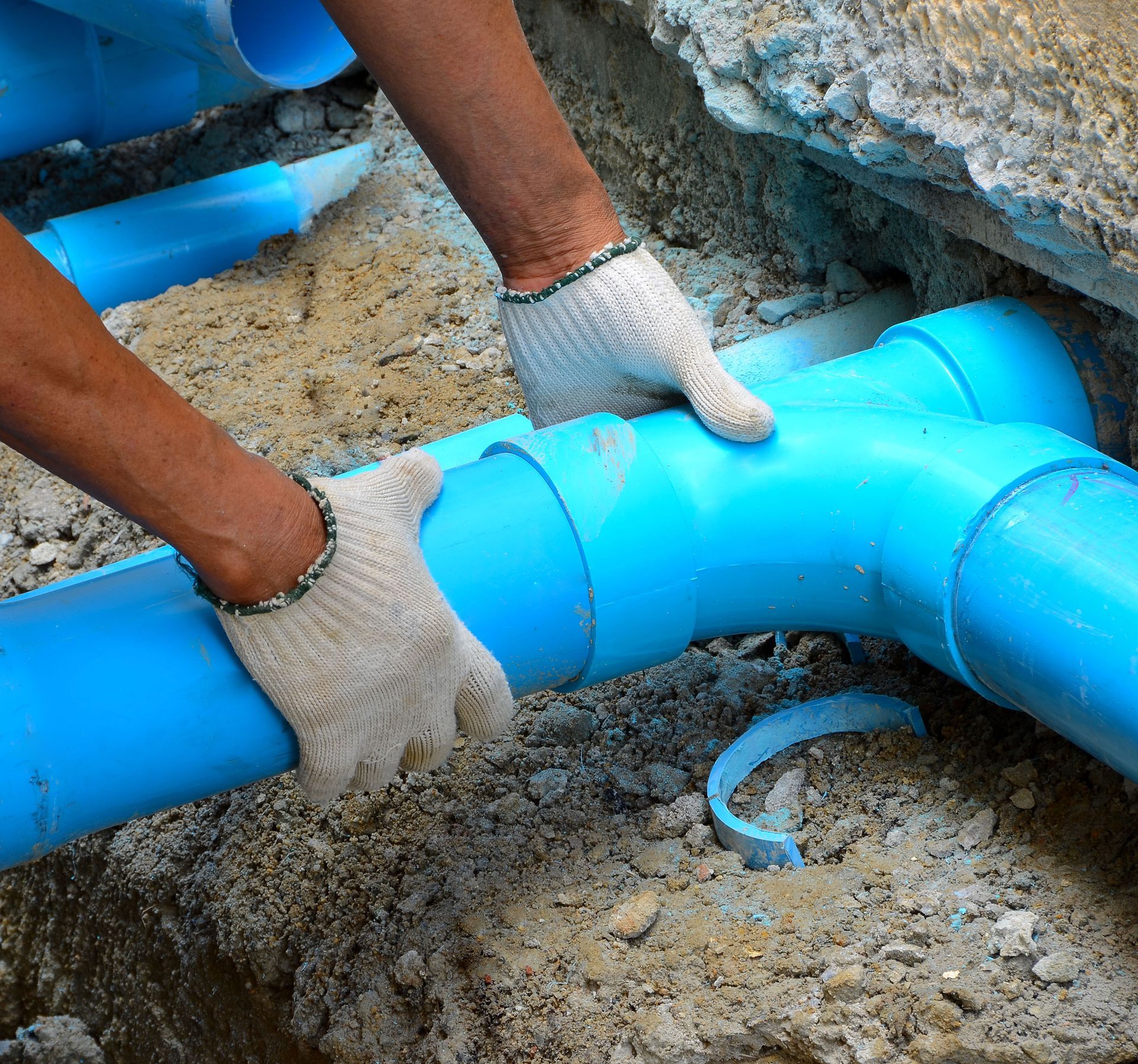
While trenchless drain restoration and specialized pipe lining provide budget-friendly alternatives for underground sewer pipes, switching supply lines to flexible tubing remains the most economical strategy for fresh-water distribution inside the home.
Analyzing Everyday Water Quality and Household Safety
Fresh water delivered to sinks, showers, and household appliances must remain free of chemical odors, metallic residues, and harmful contaminants. Copper offers natural biostatic properties that inhibit the growth of bacteria, algae, and other microscopic pathogens inside domestic supply networks. It also resists burning or melting during house fires, emitting zero volatile organic compounds or hazardous fumes under extreme structural heat.
However, water chemistry heavily influences how metallic piping behaves over several years. Water supplies with a low pH value or high concentrations of dissolved minerals cause internal chemical pitting. This acidic reaction leaches copper ions into the drinking supply, imparting a bitter, metallic taste and leaving persistent blue-green stains across porcelain sinks and ceramic fixtures.
Modern PEX pipes do not react to acidic water chemistry, ensuring consistent taste and odor profiles regardless of local municipal water variations. Premium grades of cross-linked polyethylene comply with strict national purity standards, ensuring no toxic compounds migrate into hot or cold lines. Because internal scaling rarely occurs along the ultra-smooth inner walls of polymer tubing, homes maintain steady volume across kitchen taps and bathroom fixtures. For drainage and waste networks, modern pipe lining achieves a similar goal by creating a smooth interior barrier that prevents waste buildup, matching the hydraulic flow advantages found inside plastic freshwater supply lines.
Reviewing Environmental Impact and System Sustainability
Sustainability evaluations require looking at manufacturing inputs, thermal transfer rates, and end-of-life recycling potential. Copper is a natural element extracted through intensive mining operations and refined through energy-heavy thermal processes. Despite its heavy extraction footprint, it remains completely recyclable; scrap metal from old residential projects melts down infinitely without losing structural integrity or performance capacity.
Flexible polymer tubing requires petroleum or natural gas derivatives during initial manufacturing stages, yet its lightweight shipping footprint lowers overall transportation emissions. Additionally, plastic possesses superior thermal insulation properties compared to metallic piping. Because metal conducts heat rapidly, uninsulated hot-water supply lines lose thermal energy continuously as hot water travels toward distant fixtures. Polymer walls retain heat much better, lowering energy consumption at the water heater and delivering warm water to fixtures with fewer delays.
Selecting the Ideal Piping Material for Your Home
Determining whether to install rigid metal or flexible polymer tubing depends on local building codes, regional water chemistry, and personal budget constraints. Homeowners seeking proven permanence, non-combustible construction, and natural biostatic protection often prefer the traditional reliability of copper lines, provided their municipal water chemistry is neutral.
Conversely, homeowners prioritizing freeze resistance, budget-friendly installation, and smooth hydraulic volume without scale accumulation find tremendous value in flexible tubing. In many comprehensive restoration projects, technicians combine distinct modern methods to address every layer of home plumbing. While whole-home supply replacement modernizes clean water delivery, targeted pipe lining repairs damaged subterranean drainpipes without disrupting outdoor landscaping or driveways.
To determine which replacement material fits your property, consider the following decision points:
- Have your current water supply tested by local professionals to evaluate acidity, mineral hardness, and chlorination levels.
- Inspect the physical accessibility of existing lines inside crawlspaces, finished walls, and multi-floor ceiling bays.
- Review long-term residential ownership goals, weighing initial capital investment against anticipated property tenure.
- Consult licensed residential technicians to compare whole-home supply replacement costs with targeted restorative solutions.
Updating home plumbing infrastructure protects property value, enhances everyday comfort, and safeguards living spaces against catastrophic water emergencies. Whether you need an expansive fresh-water repipe, comprehensive fixture upgrades, or specialized subterranean pipe lining, trust the experienced professionals at Performance Plumbing Inc to deliver lasting residential solutions.